What Is a Local ISP?
December 29, 2021
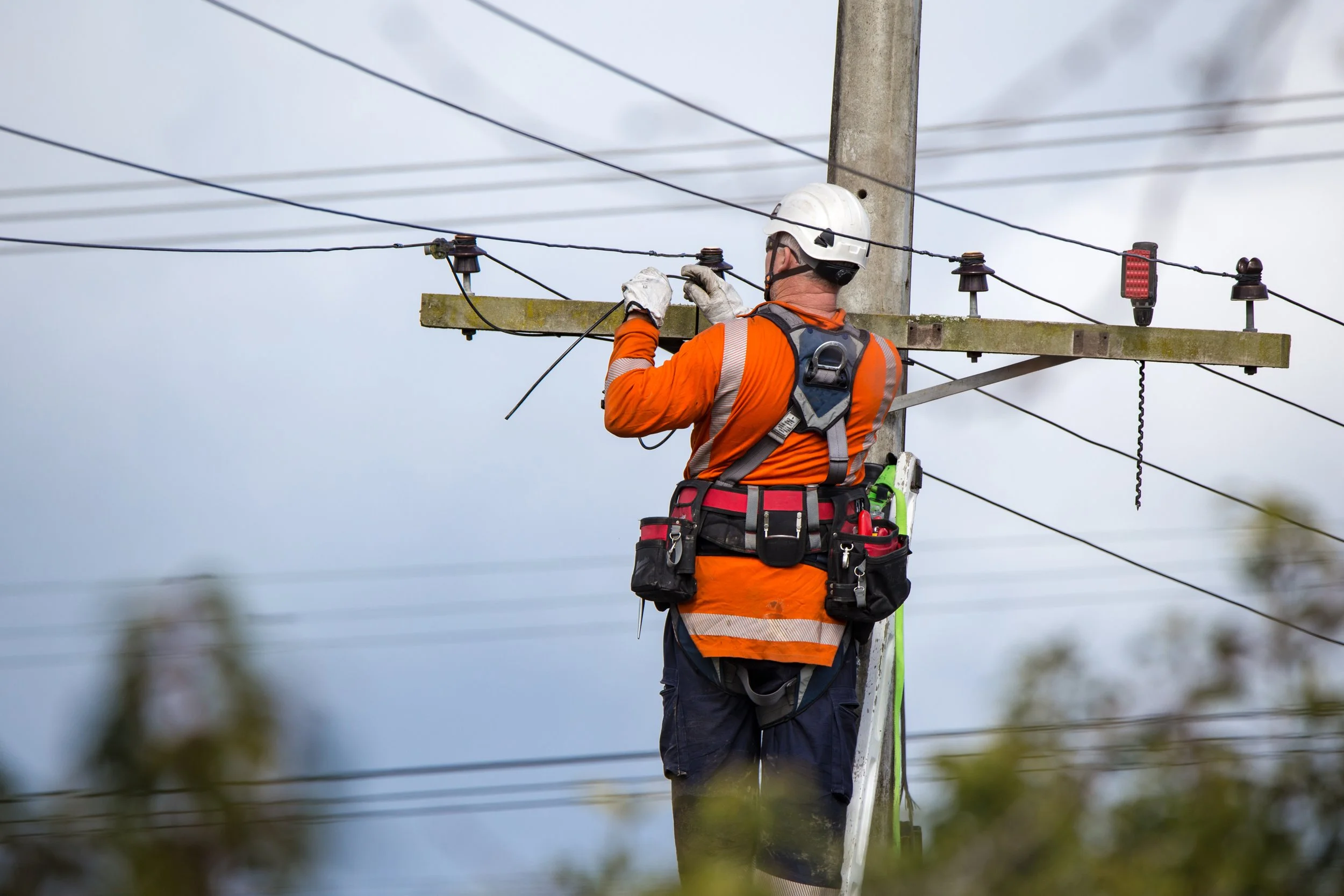
Have you ever wondered what the abbreviation “ISP” stands for? ISP comes from the first letters of the words “internet service provider”, referring to a company providing individuals and businesses with access to the web and related services (email services, domain registration, web hosting, browser packages.)
There are larger (such as AT&T or IBM Global Network) and smaller (local) ISPs on the market. The larger ISPs interconnect with each other through peering agreements, which are arrangements to exchange traffic. Local ISPs have subscribers within the area in which they are located. ISPs provide internet access at a cost. They usually charge based on a monthly or annual subscription.
Some historical facts
Internet service used to be originally limited to state agencies and scientific departments. The technology providing access to the broader public was developed in the late 80s. At the beginning, the customers were able to access the internet through a bunch of ISPs using phone lines.
The number of ISPs started growing in the 90s and developed into a complex web of connections. Local ISPs started selling internet access to their customers, but kept paying larger ISPs for their access. This is basically what it looks like until now.
How it Works
In order to get connected to the internet, you need internet access from an ISP. ISPs set up wired or wireless connections to specific locations and this way create a private network in the given area. When surfing the web, you go through ISP servers before you get access to the data from the websites’ host servers.
ISPs use different technologies to transfer data and establish internet connection. The first technology used was dial-up service based on phone lines. It is currently outdated and used only in rural areas. High-speed internet access is provided to the users thanks to either cable or DSL connections. They are transmitting data through phone network of higher bandwidth which makes use of higher frequency. The fastest option is transferring data through fiber optics. This new technology is used by many ISPs, however, it may not be available in rural areas.